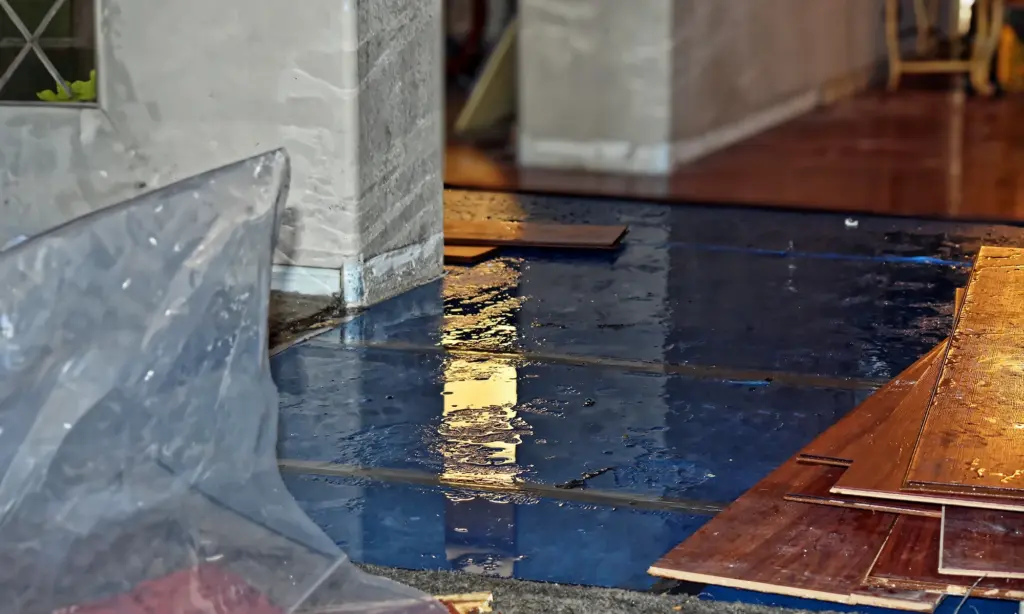
Water damage can happen without warning. A burst pipe, leaking appliance, overflowing fixture, roof leak, or heavy rainfall can quickly spread water through flooring, drywall, cabinets, and other parts of your property.
Knowing what to do during the first few hours can help reduce additional damage and make the restoration process easier.
Stop the Water Source if Possible
If the damage is coming from a plumbing leak or appliance, shut off the water source if you can do so safely.
For larger leaks, you may need to turn off the property’s main water supply until the problem can be repaired.
If water is entering because of a storm or roof leak, avoid areas where ceilings, walls, or electrical systems may be unsafe.
Stay Away From Electrical Hazards
Never enter standing water if there is a possibility that electrical outlets, wiring, appliances, or equipment have been exposed.
If you are unsure whether the area is safe, stay out and wait for a qualified professional.
Safety should always come before cleanup.
Move Valuable Items Away From the Water
When it is safe to do so, move furniture, electronics, documents, rugs, and other belongings away from the affected area.
Removing items early may prevent additional damage and make it easier for restoration professionals to access the property.
Document the Damage
Take photos and videos of the affected areas before major cleanup begins.
Document:
- Standing water
- Wet flooring
- Damaged drywall
- Furniture and belongings
- The suspected source of the water
- Any visible staining or damage
This documentation may be useful if you need to file an insurance claim.
Do Not Assume the Area Is Dry
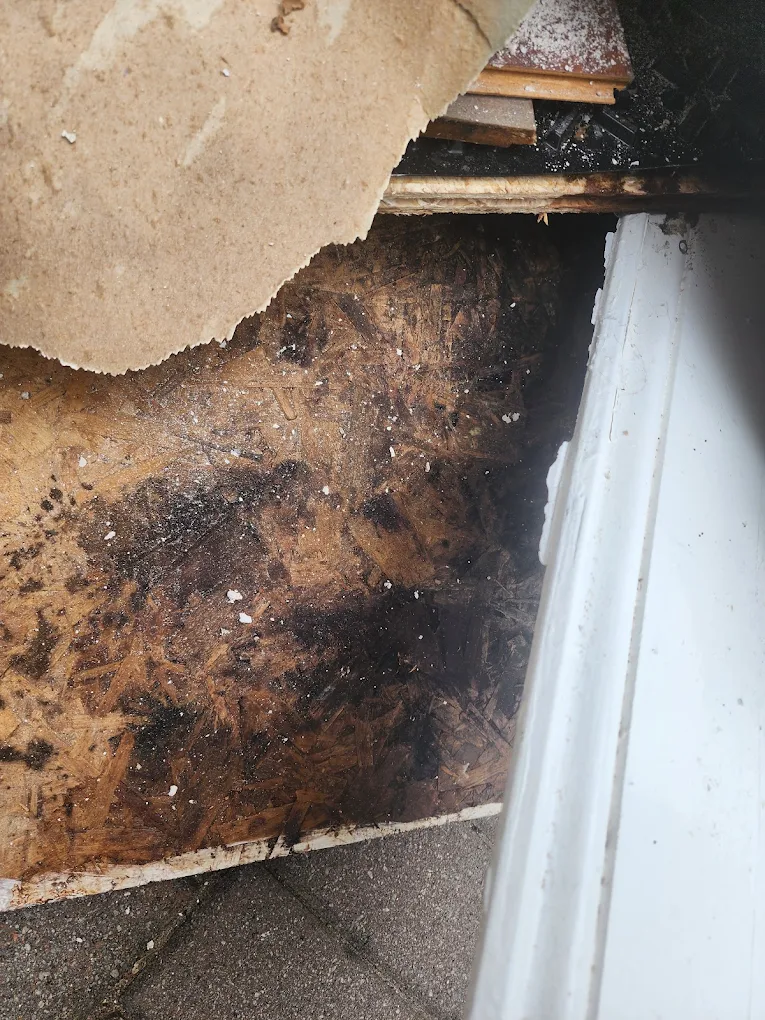
One of the biggest problems with water damage is that moisture can travel into areas you cannot see.
Water may remain:
- Behind drywall
- Under flooring
- Inside insulation
- Beneath cabinets
- Around framing
- Inside wall cavities
A surface may feel dry while moisture remains underneath.
Professional moisture detection helps determine how far the water has spread and which areas still need drying.
Call a Water Damage Restoration Company
Professional restoration can include water extraction, moisture detection, structural drying, dehumidification, removal of damaged materials, and restoration work.
The sooner the affected areas are evaluated, the sooner the drying process can begin.
Need Water Damage Restoration in New Jersey?
Clean Dry & Restore provides professional water damage restoration throughout North and Central New Jersey.
If your home or business has experienced water damage, contact our team to schedule an assessment or request emergency restoration service.